
Lead Trim & Form
Overview
Lead trim and form is the process that takes a molded device from its as-packaged state to its final, PCB-ready mechanical configuration. As leads come out of encapsulation, they’re still straight and untrimmed, connected to a leadframe strip by the tie bars and dam bars that held everything in alignment and contained mold compound during molding. Trim and form removes that support structure and bends the individual leads into the exact shape and position called out in the customer’s drawing — the step that determines whether a device will seat, align, and solder correctly once it reaches an actual board.
Spirit Electronics is revolutionizing the way you look at your supply chain. With years of industry expertise and complete end-to-end support, Spirit Electronics delivers on every level.

Lead Trim
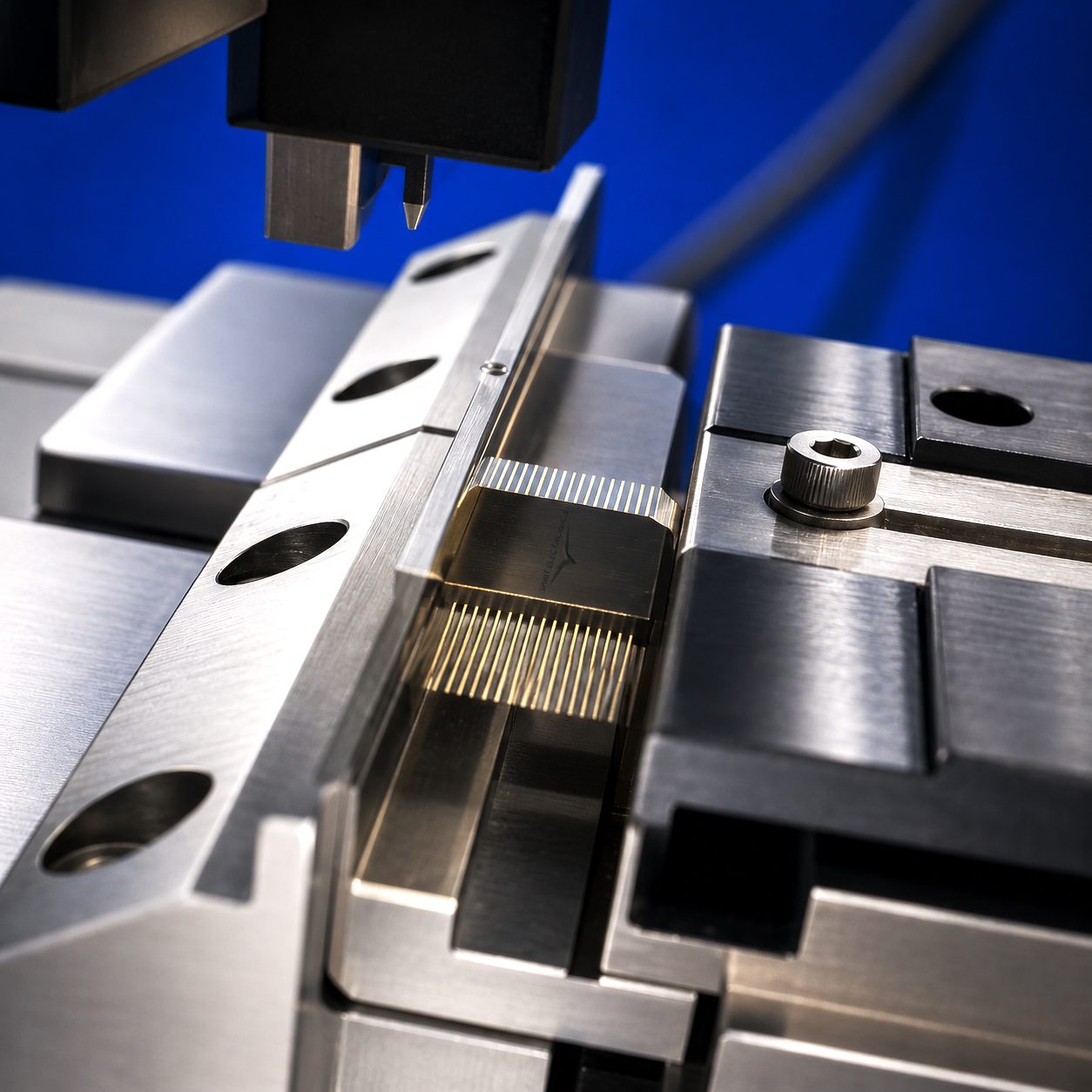
Trimming separates each device from the leadframe strip and isolates its leads electrically from one another by removing the dam bars and tie bars used during molding. Until this step, the leads are still straight, unformed, and physically tied together — a necessary condition for the molding process, but not a usable configuration for anything downstream. Precision trim tooling removes that excess material cleanly, without disturbing the lead surface finish or introducing damage that could compromise a later solder joint.
Lead Form
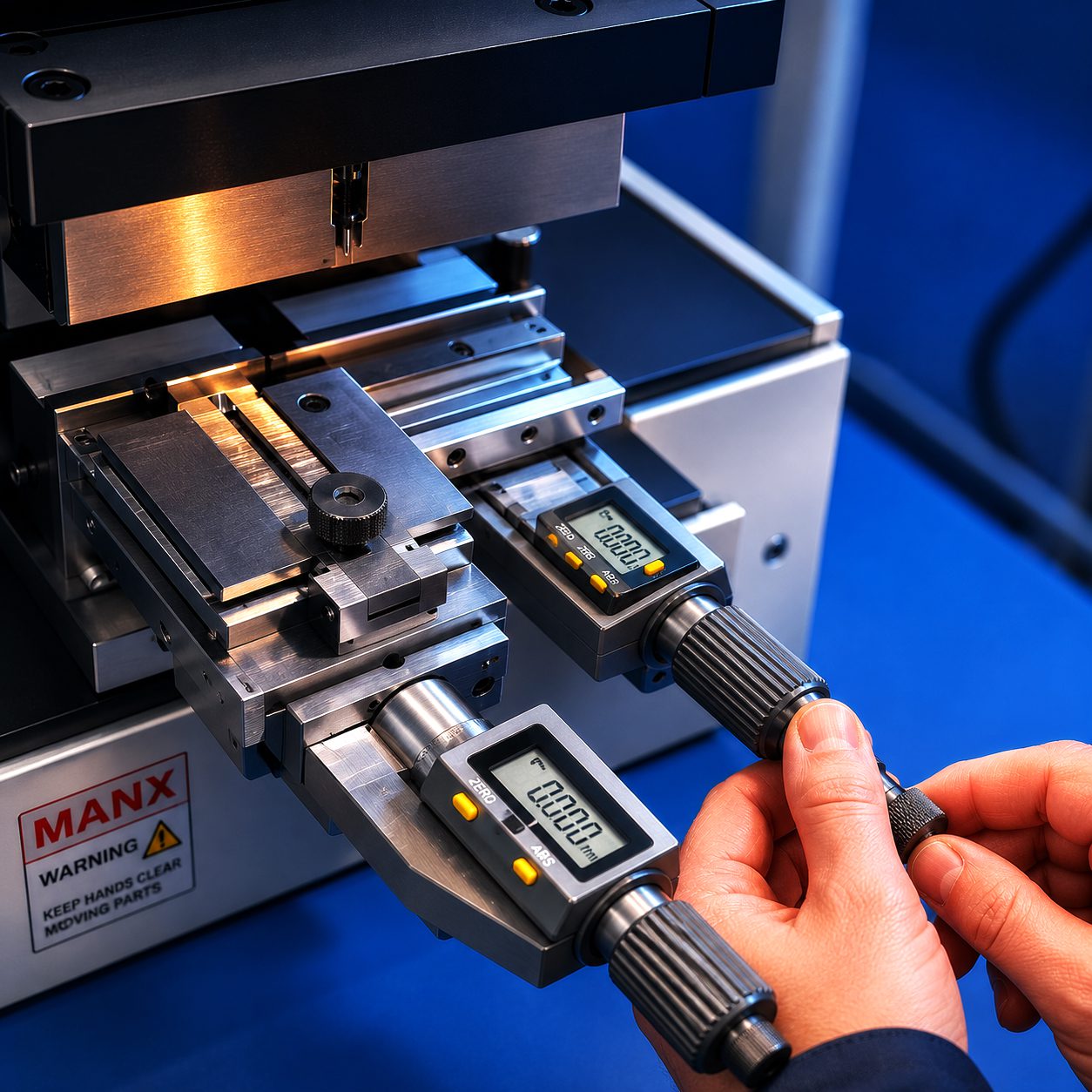
Once trimmed, leads are bent into their final mechanical configuration — gull-wing, J-lead, or straight through-hole, depending on the package and the customer’s drawing. Spirit’s technicians set up trim-and-form equipment specifically calibrated to the target dimensions before running the operation, since forming tolerances directly determine whether the finished part will align properly with its intended footprint. This isn’t a one-size-fits-all operation: lead pitch, bend angle, stand-off height, and overall lead length all have to land within the drawing’s stated tolerances for the part to be usable.
Inspection & Dimensional Verification
Every formed and trimmed device is examined under magnification to confirm that critical dimensions meet specification before it moves any further down the line. That inspection looks for the same characteristics industry-standard acceptance criteria call out for formed leads — coplanarity, proper alignment, and freedom from deformation, nicks, or other damage — since even a dimensionally correct lead with surface damage can become a reliability risk later. Devices that don’t meet spec at this stage are identified here, before that risk has a chance to reach an assembled board.
Final Disposition
Devices that pass inspection are cleared to ship or move on to further processing, depending on the program’s requirements — additional screening, plating, or packaging for delivery. Either way, the inspection step above is what stands behind that disposition: a device doesn’t move forward until its critical dimensions are confirmed, not assumed.
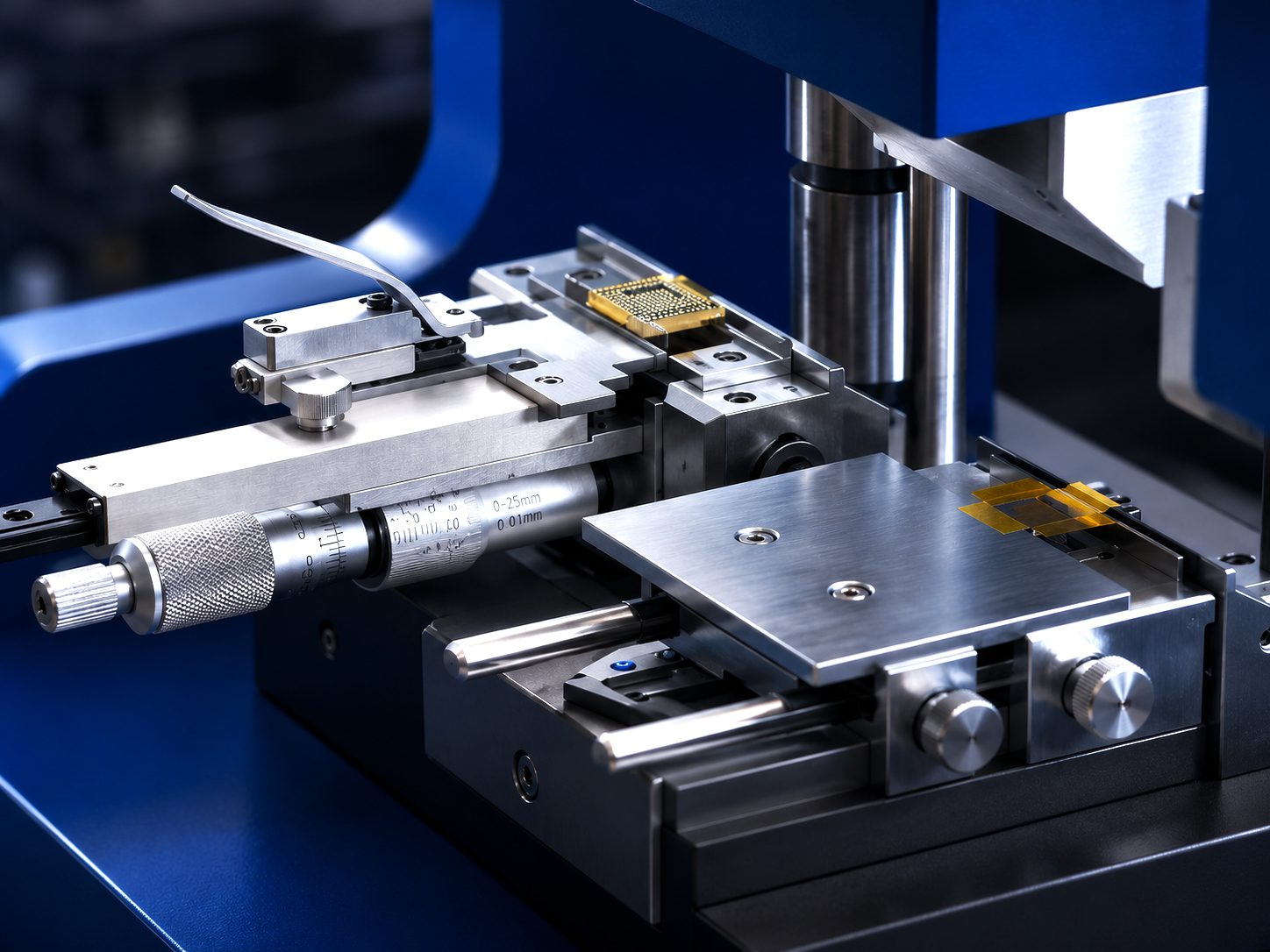
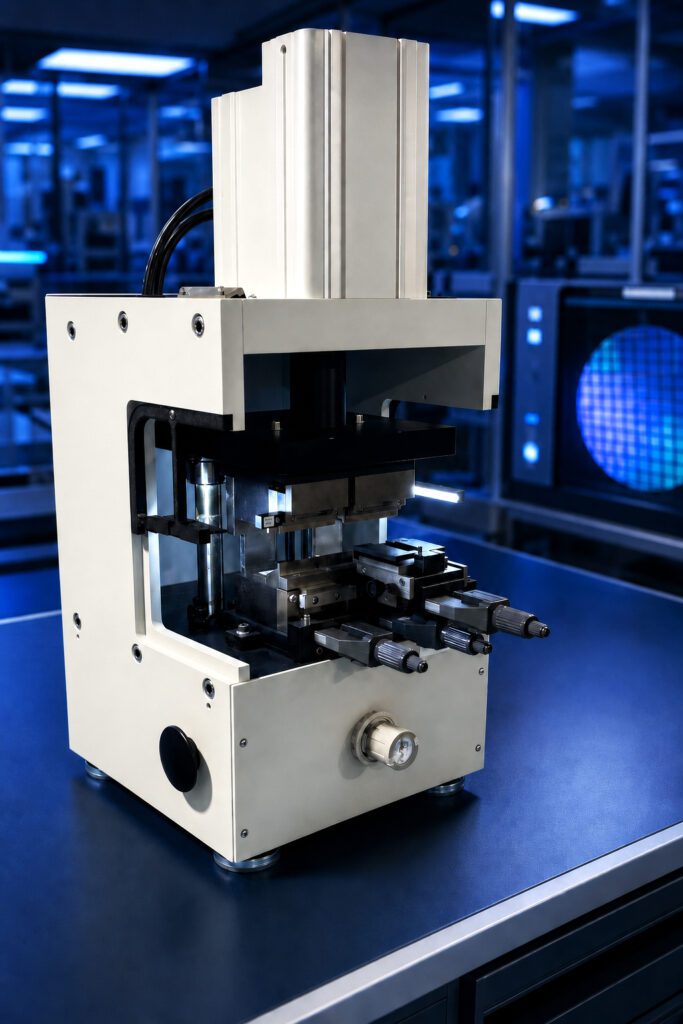
Flat Pack Lead Former
FP-1MAS-2
- Cut and form flat packs to exact specifications
- Top clamps ensure component integrity
- Lead-to-body fracture is eliminated as the clamps secure the leads before cutting and forming
- Uses standard or custom dies
- Minimal operator handling
- Die library reduces your lead time
Follow the step-by-step process of Lead Trim and Form, taking place in-house at Spirit's Phoenix headquarters. Our technician starts with uncut leads, through precision trims, and critical measurements to make sure all products meet customer specifications.
Discuss Your Project with Spirit's Technical Team
Spirit can provide complete process development from prototyping through launch. Contact our seasoned team of engineers to discuss your next project.